
Broken Bodies
Sign up for blog updates!
Join my email list to receive updates and information.
When our body is being dismantled our soul is being forged
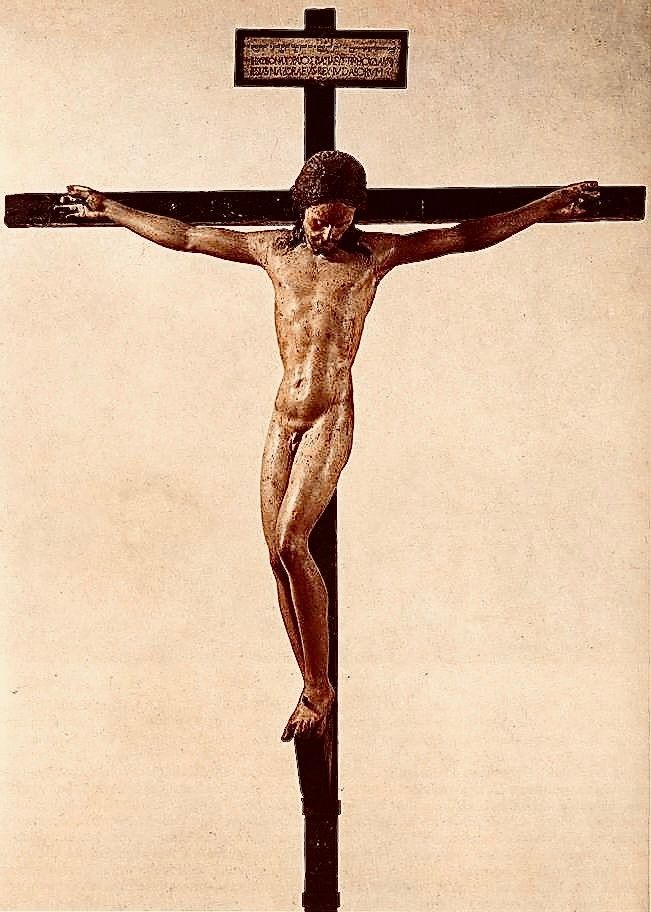
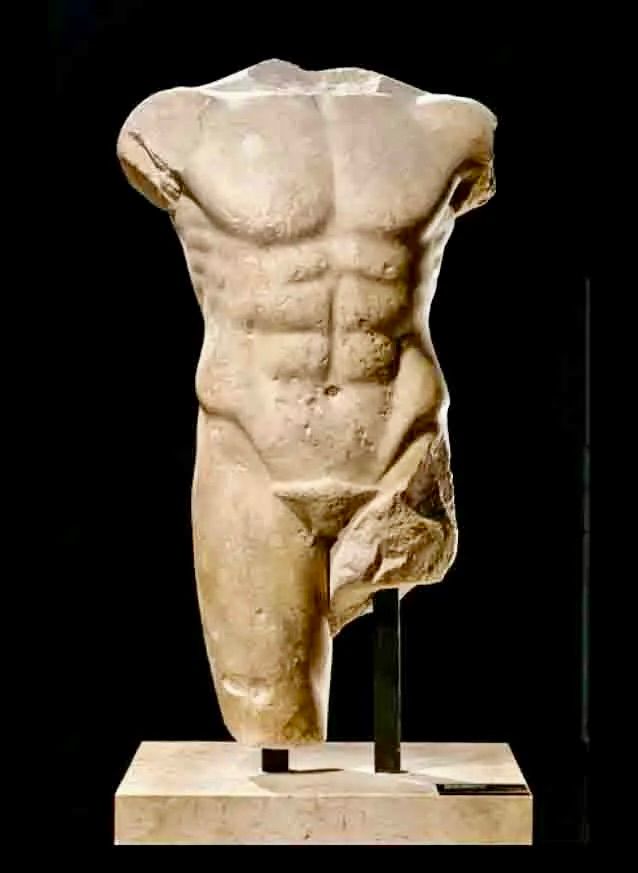
One was god of poetry, music, and healing. The other is simply God. But both shone brightest when their bodies were broken.
The ancient statue of Apollo is an apt icon for our broken times, broken societies, broken selves. And the poem Rainer Maria Rilke wrote about this statue? A call to change and wholeness.
Archaic Torso of Apollo
We cannot know his legendary head
with eyes like ripening fruit. And yet his torso
is still suffused with brilliance from inside,
like a lamp, in which his gaze, now turned to low,
gleams in all its power. Otherwise
the curved breast could not dazzle you so, nor could
a smile run through the placid hips and thighs
to that dark center where procreation flared.
Otherwise this stone would seem defaced
beneath the translucent cascade of the shoulders
and would not glisten like a wild beast’s fur:
would not, from all the borders of itself,
burst like a star: for here there is no place
that does not see you. You must change your life.
Experts say this poem is the pinnacle of ekphrastic healing poetry because it calls directly for transformation: "You must change your life." For a person living with a disability or chronic illness, Rilke says an incomplete body can be a source of light.
What about the crucified Christ? Was he ever more powerful than when he was stripped of everything and hung limply on a Roman cross?
Michaelangelo thought so. The second image above is the crucifix he sculpted when he was only eighteen.
It’s known as the "Santo Spirito Crucifix" — a wooden sculpture he made for a community of Augustinian monks. It depicts a nude Christ, acknowledging that the Romans crucified people naked, to add to their powerlessness under the state. Ultimate humiliation.
The crucifix was thought to have been lost for decades until it was discovered in a convent corridor, badly overpainted. It now hangs in the Basilica di Santo Spirito in Florence.
When I first saw it during a visit to Florence, I gasped at its stunning and unexpected other-worldliness. I know that sounds cliché – but it was my exact reaction.
Which is why I am distracted by a typical crucifix with the private parts swaddled in a loincloth. It’s as if God gave us a body part that is evil and needs concealment.
Both the dismembered Apollo statue and the broken Christ offer us the same insight, one that’s artfully articulated by Rilke scholar Mark Burrows.
Dr. Burrows notes how we all focus on what’s absent from Apollo’s body, and he urges us to keep our gaze on what remains. This is what he writes in You Are the Future; Living the Questions:
"Perhaps what ultimately matters is being able to see what is left, however broken we might be; to recognize the strength that remains in the midst of our losses; to remember that all this points to the ‘whole’ self we can never lose.”
John Keats, in an 1819 letter to his brother, wrote: "Do you not see how necessary a world of pains and troubles is to school an Intelligence and make it a Soul?"
Keats called this the Vale of Soul-making — the idea that the self is not born whole but is made whole through suffering, that incompleteness is the medium of becoming.
I hear Rilke’s Apollo and Michaelangelo’s Christ and Keats’ Vale telling me much the same thing: It’s precisely when our body is being dismantled that our soul is being forged.