
A Pair of Poems for Christmas Day
December 23, 2025
Sign up for blog updates!
Join my email list to receive updates and information.
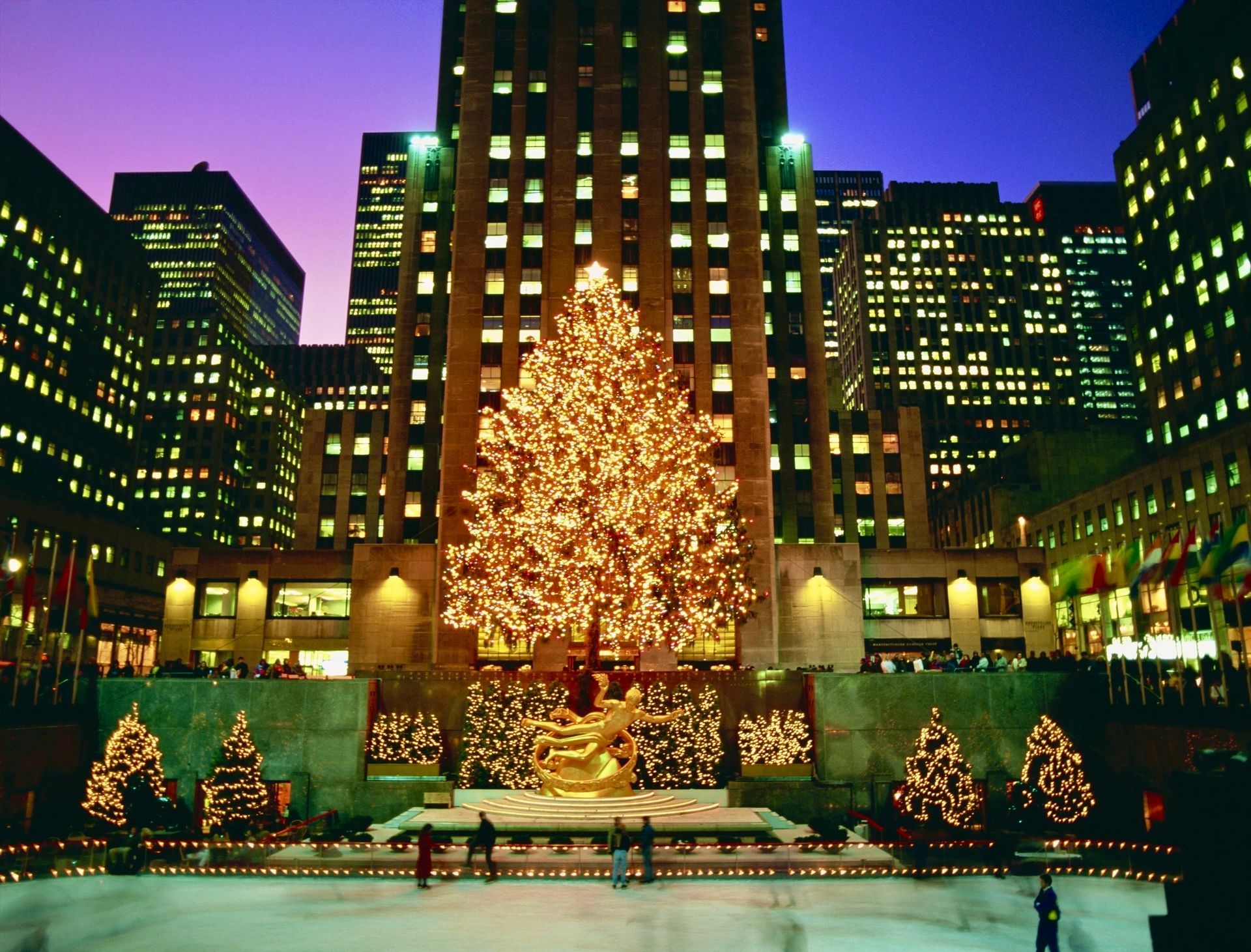
On this Christmas day 2025 my gift to all you faithful followers of my humble blog are two poems that couldn’t be more different. Participants in my Healing Verses Workshops will be familiar with both.
The first is titled “Christmas Tree” by James Merrill. What makes this poem so poignant is that the author knows this is his last Christmas, his last Christmas tree.
Merrill wrote this poem just weeks before he died of AIDS in 1995. So it’s mostly a poem about accepting imminent death with poise and grace. It was a time when AIDS was still not understood, very scary, and victims were subjected to a lot of judgment.
In this poem, Merrill affirms life until even the last few minutes. He doesn’t allow his coming death to diminish the wonder of life.
He alludes to the way we humans celebrate Christmas by killing a tree. He sees love and death as masks worn by the same face.
He believes the best way to conquer the fate that waits for us all is to celebrate the present moment, even on the last night, before the tree is removed and the needles swept up.
James Merrill was one of the most influential poets of the twentieth century. His father was the Merrill in Merrill Lynch. James didn’t need to go to work. So he devoted everything to poetry. It was his life. He used his wealth to support other writers and the arts.
He won the Pulitzer Prize for Poetry in 1977 and two National Book Awards, in 1967 and 1979.
Christmas TreeBy James MerrillTo beBrought down at lastFrom the cold sighing mountainWhere I and the othersHad been fed, looked after, kept still,Meant, I knew—of course I knew—That it would be only a matter of weeks,That there was nothing more to do.Warmly they took me in, made much of me,The point from the start was to keep my spirits up.I could assent to that. For honestly,It did help to be wound in jewels, to sendTheir colors flashing forth from vents in the deepFragrant sables that cloaked me head to foot.Over me then they wove a spell of shining—Purple and silver chains, eavesdropping tinsel,Amulets, milagros: software of silver,A heart, a little girl, a Model T,Two staring eyes. Then angles, trumpets, BUD and BEA(The children’s names) in clownlike capitals,Somewhere a music box whose tiny songPlayed and replayed I ended before longBy loving. And in shadow behind me, a primitive IVTo keep the show going. Yes, yes, what lay aheadWas clear: the stripping, the cold street, my chemicalsPlowed back into the Earth for lives to come—No doubt a blessing, a harvest, but one that doesn’t bear,Now or ever, dwelling upon. To have grown so thin.Needles and bone. The little boy’s hands meetingAbout my spine. The mother’s voice: Holding up wonderfully!No dread. No bitterness. The end beginning. Today’sDusk room aglowFor the last timeWith candlelight.Faces love-litGifts underfoot.Still to be so poised, soReceptive. Still to recall, praise.
The second poem is by Joyce Carol Oates, one of America's most prolific (more than seventy books so far) and celebrated writers.
She’s known primarily for her dark, psychologically complex novels and short stories. Throughout her career, however, she’s also written a substantial body of poetry. Among these poems is "The Miraculous Birth," a meditative Christmas piece that celebrates both the transcendent and the mundane, finding profundity in domestic scenes.
"The Miraculous Birth" was originally published in The New York Times Magazine
on December 23, 1984. What distinguishes this poem from conventional Christmas verse is its philosophical depth. The central idea of the poem becomes clear in its final lines: the miraculous birth being referenced is the miracle of one's own existence.
The Miraculous BirthBy Joyce Carol Oates
Christmas: The House Adrift in a wide white ocean of snow.Black December is a ditch winking overhead,but here beneath your parents’ roof the piecrust facesare dimpled by forksand the clock faces are round and smooth as buttons.This is the season of waiting and of expectationand of hunger keenly roused to be satisfied.This is the season of the miraculous birth,the oldest story,these years,centuries—the fresh-trimmed spruce bristling to the ceiling,smelling of cold, of night, of forests wild and tamedas forests in a child’s picture book.The splendid tree is balanced in a shallow tin of waterlooking as if it would live forever—green-spicy, sharp-needled—and such tinsel, such trinkets ablazeon the boughs, a glass-glitterof icicles, angel’s hair,strings of colored lights plugged to a socket!And beneath the tree presents wrapped in shiny paper,satiny bows, gifts heaped upon gifts—a child’s fever-dream spilled on the carpetOutside, snow flying like white horses’ manes and tails;inside cookies that are stars, hearts, diamonds,the smell of a turkey roasting slow in its fat.There are stories children are not told,of grandmothers dying in secret of their heartsor of cancer shopping for months for this season—the costly boxed gifts that are love, the stiff silver paperthat is love, all the effort of joy, love—torn open too quickly by a child’s fingers.And there suddenly is your father,young again,entering the kitchen, the wind behind him,snow melting in his wild dark hair,a carton of presents in his arms.From what and to what could this world be redeemed?is not a child’s question.You are sitting at the long table with the others.Those years. The roof weighted with snow. Candle flames,the smell of red wax, O take and eat; the clock tellsits small rounded time againand again, again—this is all there is and this is everything.The miraculous birth is your own.
I want to thank my friend, and fellow poet, Paul Bumbar, for bringing “The Miraculous Birth” to my attention during a recent Healing Verses Workshop. I also learned that Oates hails from a town near the Buffalo area where Paul resides – Lockport, New York.
Brought up in a working-class Catholic family, she has drawn on her childhood experiences in upstate New York, often transforming the region into fictional Eden County. "The Miraculous Birth" taps into these personal memories while universalizing them, creating a space where readers can recognize their own experiences of holiday traditions and familial gatherings.
Last thing: If you didn’t recognize the photo up top, it’s the 2025 tree at New York City’s Rockefeller Plaza.