
When Sweating Blood Isn’t Enough
April 17, 2026
Sign up for blog updates!
Join my email list to receive updates and information.
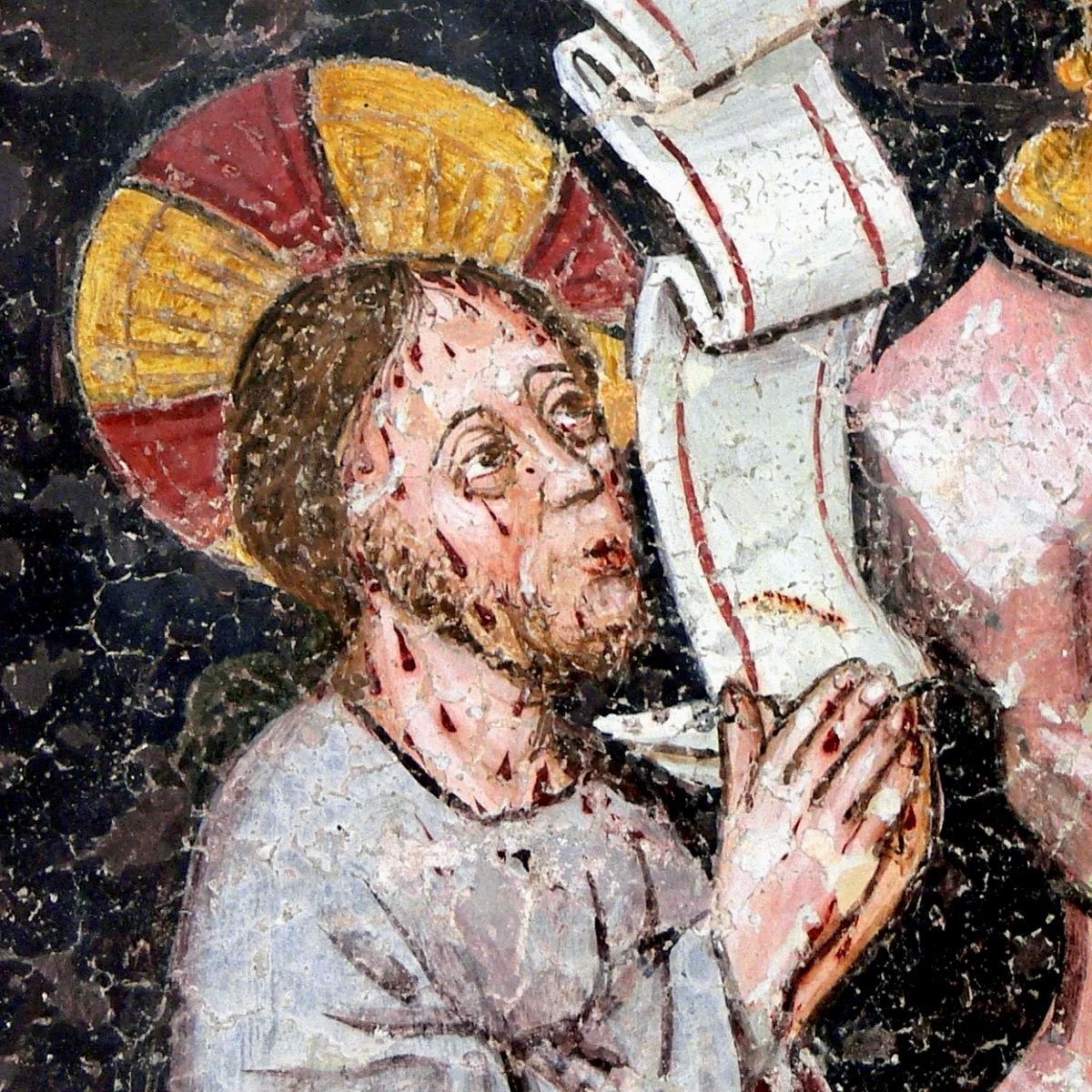
From Gethsemane to Gaza, prayers don’t seem to be answered.
He was sweating blood in the Garden of Gethsemane, they say, knowing he was about to be arrested, tortured, and killed. He prayed, "Father, all things are possible to you. Take this cup away." But it was not.
I was thinking about this last week when Pope Leo XIV called for a worldwide day of prayer for peace. From Gethsemane to Gaza, prayers don’t seem to be answered.
But is this true?
The effectiveness of prayer is typically questioned when our earnest petitions draw only silence from the heavens.
When I ask for the healing of a loved one who then passes away, or for the resolution of a crisis that only worsens, my natural conclusion is that prayer is as pointless as whistling past a cemetery on a dark night— both a sedative and a delusion.
If I’m looking for outright interventions into the laws of physics, which we call miracles, I’d be wiser to seek instead a steady, quiet transformation of character.
When my wife was in the last stages of her cancer, scores of her friends were praying for her.
More than remission of her disease, however, Jo Anne asked for prayers that she have courage. And as her death drew ever closer, she did show a calm courage that seemed to be, already, other-worldly.
All those prayers offered in her behalf were, in fact, efficacious.
St. Thérèse of Lisieux believed that prayer was a lever that could move the world. She didn’t mean this in a literal sense, but in the way that the love generated in prayer radiates outward, fortifying the spiritual health of the whole human family.
St. John of the Cross was a sixteenth-century Spanish mystic, priest, and poet, one of the most influential figures in Catholicism.
He seemed to be of the opinion that to continue to pray when it feels useless is the highest form of faith. Prayer in this situation is my declaration that God is God, regardless of how I feel or what I receive. My persistent prayer proves my selfless, unconditional love.
Maybe the highest value of prayer is that it connects the finite to the infinite. If I find no evidence of God hearing me, perhaps it’s because I’m looking for a God who serves me, rather than the other way around.
Christ’s prayer that the cup be taken away was unanswered. But he continued his prayer in the next sentence: “Not what I will – but what you will."
Those words gave meaning to his trauma. And that made all the difference.
The most efficacious prayer I can say just might be: "Thy will be done." When I say these words with sincerity, I can never be the same again. I’ve finally learned how to love without counting the cost.
As psychiatrist Victor Frankl found in observing his fellow prisoners in Auschwitz, if we can make sense of our suffering, then we can deal with it.
This is precisely what my prayer does and all it needs to do – help me make sense of my life.
(Image: Christ on the Mount of Olives, by Wolfgang Sauber)