
The Empty Chair
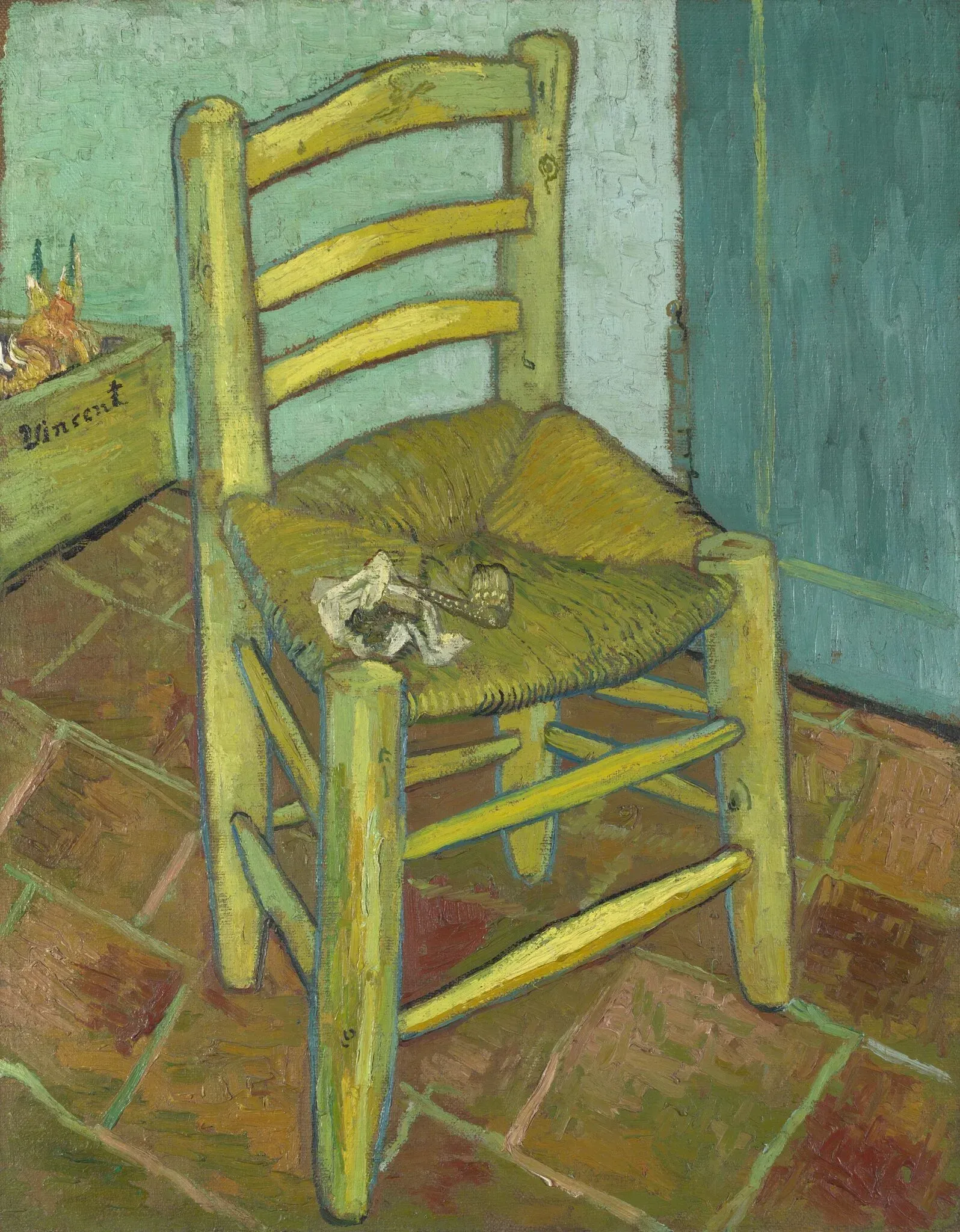
Suppose we see the empty chair as an invitation to love again?
Here’s news: There will surely be an empty chair at most Thanksgiving commemorations next week, whether it's a real one or a vague feeling of emptiness deep within.
Pew Research estimates that twelve million American adults will be eating Thanksgiving dinner alone.
One of them was in my daughter’s dental hygiene chair a few days ago. He told Wendy his wife had died and he had no one. She wanted to invite him to our family’s repast, but was prevented by HIPAA (Health Insurance Portability and Accountability Act) guidelines
I’m not talking only about the death of a loved one with whom we’ve shared past festivities. Author Jeanette Winterson called that the grief of “living with someone who is no longer there."
And holiday emptiness isn't just about being physically alone. Poet Marlene Mountain lamented the loss of a loved one in her moving haiku:
empty place at table—
the taste of salt
in the cold tea
It could be death, yes, or estrangement. But it also could be emotional withdrawal – like an indifferent face fixated on a smartphone.
We can hope the upcoming holiday will wash away the pain of loneliness, but usually we learn that the loneliness deepens.
For these people, the empty chair is their own – physically seated at a crowded table while feeling unseen, estranged, or unable to bridge social divides. They sit among the good dishes and the passed platters – but they’re not quite present.
For many of us, there’s a distinct sense that today’s Thanksgiving has become largely performative – that the holiday’s script of abundance and cozy togetherness hardly matches the reality of modern American life. It’s hard, isn’t it, to practice “national gratitude” at a time of such intense and unremitting political polarization and institutional distrust.
Thanksgiving was once accepted as a civic, almost religious touchstone. As religious observance declines, however, and historians provide a reality check about the holiday’s Plymouth Bay Colony origins, the day has been hollowed out to be merely a culinary mandate to gorge before Black Friday shopping.
Thanksgiving today is an inherited holiday built on abundance, big families, and civic consensus – colliding with an era of smaller households, screen-enabled isolation, and economic and social strain.
The empty chair will never be filled the way it once was.
But who says we have to surrender to the cynics? Let’s look at it from a more spiritual perspective.
Suppose we see the empty chair as evidence that someone mattered? Suppose we see the empty chair as an invitation to love again – including loving ourselves? We might begin by answering the question, “Who are you grateful to, but haven't told?”
Who, not what.
Then write a few lines to whoever left that chair empty – whether they’re the one who is gone, the one who is estranged, or the part of yourself that hasn't been able to come to the table. Just say what’s gone unsaid.
The chair may remain empty. But it will be an empty chair that’s been spoken to. And that’s a different thing.
About the image: In 1888 Paul Gauguin joined Vincent van Gogh to paint in Arles. In buying chairs to decorate their rented house, van Gogh selected a rustic chair for himself – pictured above – and an ornate armchair for Gauguin. Van Gogh painted companion canvases of the two chairs, designing them to hang side-by-side. Over nine weeks, artistic differences between the two men grew increasingly bitter. Van Gogh insisted on painting directly from nature and Gauguin favored painting from memory and imagination. Following a violent quarrel in which van Gogh threatened Gauguin with a razor, Gauguin fled back to Paris. The two men never saw each other again.